Direkt zum Seiteninhalt springen
  • App „Campus HSB“
  • AULIS
  • CampInO
  • Webmail
  • WLAN (eduroam)
  • Passwort ändern
  • Semestertermine
  • Benutzerkonto-Aktivierung
  • Studieninteressierte Für Studieninteressierte
  • Erstsemester Für Erstsemester
  • Internationale Studierende
  • Unternehmen und Organisationen Für Unternehmen und Organisationen
  • Presse und Medien Für Presse und Medien
  • Alumni Für Alumni
  • Jobinteressierte
  • Beschäftigte Für Beschäftigte und Lehrbeauftragte
  • EN
  • Deutsche Gebärdensprache Logo Gebärdensprache
  • Leichte Sprache
  • Dunkel-Modus
  • Studieren erleben
    • Studiengänge
      • Bachelor
      • Master
      • Dual studieren
      • Berufsbegleitend studieren
      • Flexibel studieren
    • Vor dem Studium
      • Schritt für Schritt ins Studium
      • Angebote für Studieninteressierte
      • Termine Studienorientierung
      • Bewerbung und Zulassung
      • Internationale Bewerbungen
    • Im Studium
      • Infos für Erstsemester
      • Semestertermine und Fristen
      • Zugänge und Portale für Studierende
      • Formales und Prüfungen
      • Ins Ausland gehen
      • Ergänzende Angebote: StudiumPlus, makeMINT, Sprachen
    • Nach dem Studium
      • Masterstudium
      • Bewerbung und Berufseinstieg
      • Gründung und Selbstständigkeit
      • Berufliche Weiterbildung
      • Infos für Alumni und Alumnae
      • Promotionen
    • Rund ums Studium
      • Studierendenleben
      • Engagement & Ehrenamt
      • Mitbestimmen & Gestalten
      • Gesund durchs Studium
      • Mensa & Co.
      • Bibliothek
      • Kultur
      • Sport
      • Glossar
    • Beratung und Unterstützung
      • Zentrale Studienberatung
      • Persönliche Themen
      • Lernschwierigkeiten
      • Zweifel am Studium
      • Konflikte im Studium
      • Ihr Beratungsnetzwerk an der HSB
      • Studienfinanzierung
  • Forschen erleben
    • Forschungs- und Transferprofil
      • Strategische Partnerschaften
      • Forschungseinrichtungen
      • Forschungsprojekte
      • Patente
    • Forschungs- und Transfercluster
      • Blue Sciences
      • Digitale Transformation
      • Dynamics, Tension and Xtreme Events
      • Lebensqualität
      • Luft- und Raumfahrt
      • Region im Wandel
    • Promovieren an der HSB
    • Transfer und Kooperation
    • Forschungsservice
    • Gründungsservice & FreiRAUM@HSB
      • FreiRAUM Gründungsteams
      • Makerspace
  • Weiterbilden erleben
    • Themen
      • Wirtschaft & Management
      • Gesundheit & Soziales
    • Weiterbildende MBA und Master
    • Seminare und Zertifikatskurse
    • Interne Weiterbildung im Studium und in der Lehre
  • Die HSB erleben
    • Aktuelles
      • Pressemitteilungen
      • News
      • Veranstaltungen
      • Projekte
    • Fakultäten
      • Fakultät Wirtschaftswissenschaften
      • Fakultät Architektur, Bau und Umwelt
      • Fakultät Gesellschaftswissenschaften
      • Fakultät Elektrotechnik und Informatik
      • Fakultät Natur und Technik
    • Organisation
      • Rektorat
      • Verwaltung
      • Zentrale Einheiten
      • Hochschulübergreifende Einheiten
      • Gremien und Interessenvertretungen
    • Profil der HSB
      • Unser Leitbild
      • Qualität in Studium und Lehre
      • Internationalität
      • Gleichstellung
      • Diversity
      • Nachhaltigkeit
      • Hochschule Bremen in Zahlen
    • Campusleben
      • Menschen an der HSB
      • Raumfinder
      • Standorte der Hochschule Bremen
      • Geschichte
      • Kultur
      • Sport
    • Arbeiten an der HSB
      • Die HSB kennenlernen
      • Wir sind HSB
      • HAW-Professur
      • Stellenangebote
      • Ihre Bewerbung an der HSB
      • Kontakt und Beratung
      • Noch Fragen?
    • Personensuche
    • Merchandise
    • App „Campus HSB“
    • AULIS
    • CampInO
    • Webmail
    • WLAN (eduroam)
    • Passwort ändern
    • Semestertermine
    • Benutzerkonto-Aktivierung
    • Studieninteressierte Für Studieninteressierte
    • Erstsemester Für Erstsemester
    • Internationale Studierende
    • Unternehmen und Organisationen Für Unternehmen und Organisationen
    • Presse und Medien Für Presse und Medien
    • Alumni Für Alumni
    • Jobinteressierte
    • Beschäftigte Für Beschäftigte und Lehrbeauftragte
  • EN
  • Deutsche Gebärdensprache Logo Gebärdensprache
  • Leichte Sprache
  • Dunkel-Modus
Studieren erleben
  • Studiengänge
    • Bachelor
    • Master
    • Dual studieren
    • Berufsbegleitend studieren
    • Flexibel studieren
  • Vor dem Studium
    • Schritt für Schritt ins Studium
    • Angebote für Studieninteressierte
    • Termine Studienorientierung
    • Bewerbung und Zulassung
    • Internationale Bewerbungen
  • Im Studium
    • Infos für Erstsemester
    • Semestertermine und Fristen
    • Zugänge und Portale für Studierende
    • Formales und Prüfungen
    • Ins Ausland gehen
    • Ergänzende Angebote: StudiumPlus, makeMINT, Sprachen
  • Nach dem Studium
    • Masterstudium
    • Bewerbung und Berufseinstieg
    • Gründung und Selbstständigkeit
    • Berufliche Weiterbildung
    • Infos für Alumni und Alumnae
    • Promotionen
  • Rund ums Studium
    • Studierendenleben
    • Engagement & Ehrenamt
    • Mitbestimmen & Gestalten
    • Gesund durchs Studium
    • Mensa & Co.
    • Bibliothek
    • Kultur
    • Sport
    • Glossar
  • Beratung und Unterstützung
    • Zentrale Studienberatung
    • Persönliche Themen
    • Lernschwierigkeiten
    • Zweifel am Studium
    • Konflikte im Studium
    • Ihr Beratungsnetzwerk an der HSB
    • Studienfinanzierung
Forschen erleben
  • Forschungs- und Transferprofil
    • Strategische Partnerschaften
    • Forschungseinrichtungen
    • Forschungsprojekte
    • Patente
  • Forschungs- und Transfercluster
    • Blue Sciences
    • Digitale Transformation
    • Dynamics, Tension and Xtreme Events
    • Lebensqualität
    • Luft- und Raumfahrt
    • Region im Wandel
  • Promovieren an der HSB
  • Transfer und Kooperation
  • Forschungsservice
  • Gründungsservice & FreiRAUM@HSB
    • FreiRAUM Gründungsteams
    • Makerspace
Weiterbilden erleben
  • Themen
    • Wirtschaft & Management
    • Gesundheit & Soziales
  • Weiterbildende MBA und Master
  • Seminare und Zertifikatskurse
  • Interne Weiterbildung im Studium und in der Lehre
Die HSB erleben
  • Aktuelles
    • Pressemitteilungen
    • News
    • Veranstaltungen
    • Projekte
  • Fakultäten
    • Fakultät Wirtschaftswissenschaften
    • Fakultät Architektur, Bau und Umwelt
    • Fakultät Gesellschaftswissenschaften
    • Fakultät Elektrotechnik und Informatik
    • Fakultät Natur und Technik
  • Organisation
    • Rektorat
    • Verwaltung
    • Zentrale Einheiten
    • Hochschulübergreifende Einheiten
    • Gremien und Interessenvertretungen
  • Profil der HSB
    • Unser Leitbild
    • Qualität in Studium und Lehre
    • Internationalität
    • Gleichstellung
    • Diversity
    • Nachhaltigkeit
    • Hochschule Bremen in Zahlen
  • Campusleben
    • Menschen an der HSB
    • Raumfinder
    • Standorte der Hochschule Bremen
    • Geschichte
    • Kultur
    • Sport
  • Arbeiten an der HSB
    • Die HSB kennenlernen
    • Wir sind HSB
    • HAW-Professur
    • Stellenangebote
    • Ihre Bewerbung an der HSB
    • Kontakt und Beratung
    • Noch Fragen?
  • Personensuche
  • Merchandise
  1. Startseite
  2. Studieren
  3. Sustainable Maritime Transportation & Digitalisation M. Sc.*
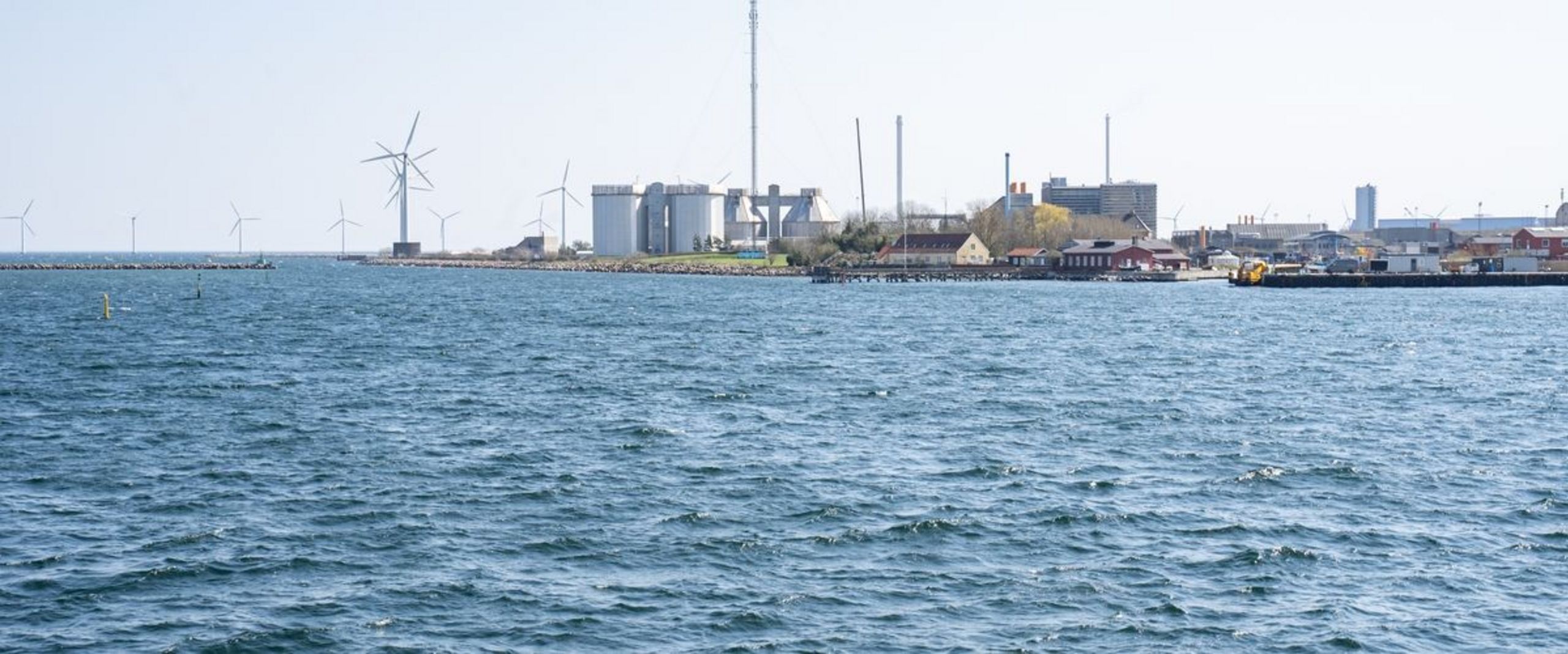
Industrieanlage an der Nordsee
© HSB-Louisa Windbrake

Fakultät Natur und Technik

Sustainable Maritime Transportation & Digitalisation M. Sc.*

Werden Sie zur Führungskraft, die den nachhaltigen Wandel der maritimen Wirtschaft aktiv gestaltet. Interdisziplinär, digital, praxisnah – durch einzigartiges Tandem-Teaching mit Industriepartnern.

*vorbehaltlich des erfolgreichen Abschlusses des laufenden Akkreditierungs- und Genehmigungsverfahrens

Übersicht

Abschluss Master of Science
Studienbeginn Sommersemester
Bewerbungszeitraum Sommersemester 15. Dezember bis 15. Januar
Regelstudienzeit 3 Semester (Vollzeit) / 6 Semester (Teilzeit berufsbegleitend)
Credits 90
Akkreditiert

*vorbehaltlich des erfolgreichen Abschlusses des laufenden Akkreditierungs- und Genehmigungsverfahrens

Zulassungsbeschränkt Ja
Unterrichtssprache Englisch
Fakultät/Institution Fakultät Natur und Technik
Auslandsaufenthalt Optional
Studienform internationales Studium optional, duales Studium optional, berufsbegleitendes Studium

Der Masterstudiengang „Sustainable Maritime Transportation & Digitalisation“ qualifiziert Sie für Führungsaufgaben im nachhaltigen Wandel der maritimen Wirtschaft. Sie studieren an der einzigen Hochschule Deutschlands, die Nautik, Schiffbau und maritime Logistik unter einem Dach vereint – mit den Schwerpunkten Digitalisierung, Nachhaltigkeit und Management.

Durch Tandem-Teaching lernen Sie von Hochschullehrenden und Industrieexpert:innen gemeinsam. In zwei intensiven Praxisprojekten arbeiten Sie an realen Herausforderungen maritimer Unternehmen. Wählen Sie zwischen Vollzeit (3 Semester), Teilzeit berufsbegleitend (6 Semester) oder dual mit Partnerunternehmen – alle Varianten kombinieren Online/Hybrid- und Präsenzphasen flexibel. 

Perspektiven

Nach erfolgreichem Abschluss analysieren Sie komplexe Herausforderungen der maritimen Wirtschaft aus verschiedenen Perspektiven, erkennen systemische Zusammenhänge und entwickeln nachhaltige, datenbasierte Lösungen.

Berufsfelder von Absolvent:innen:

  • Führungspositionen in Reedereien, Werften, Häfen, maritimen Dienstleistern 
  • Nachhaltigkeits- und Transformationsmanagement in der maritimen Industrie 
  • Digitalisierungs- und Innovationsmanager:in für maritime Prozesse und Geschäftsmodelle 
  • Consultant für maritime Strategie, Technologie und Nachhaltigkeit 
  • Forschung und Entwicklung in maritimen Forschungseinrichtungen 
  • Promotion an Hochschulen und Universitäten

Jobprofile: Fleet Manager, Sustainability Manager, Digital Transformation Manager, Operations Manager, Business Development Manager, Research & Innovation Manager

Varianten

Der Masterstudiengang ist in drei Varianten studierbar – wählen Sie das Modell, das zu Ihrer Lebenssituation passt.

  • Abschluss in 1,5 Jahren. Lehrveranstaltungen konzentriert auf zwei Wochentage im Blended-Learning-Format. Das gibt Ihnen die Möglichkeit, die Studienzeiten, bei Bedarf, in Ihren bestehenden Berufsalltag zu integrieren. Alle Termine werden semesterweise im Voraus kommuniziert für optimale Planbarkeit.

    Struktur:

    • Semester 1 & 2: Je 5 Module (Grundlagen, Vertiefung, Praxisprojekt)
    • Semester 3: Masterarbeit
  • Abschluss in 3 Jahren bei Vollzeitberufstätigkeit. Module verteilt über 5 Semester, wobei das sechste Semester für die Masterarbeit vorgesehen ist. Lehrveranstaltungen konzentriert auf zwei Wochentage im Blended-Learning-Format. Alle Termine werden semesterweise im Voraus kommuniziert für optimale Planbarkeit.

    Struktur:

    • Semester 1-5: Je 2 Module
    • Semester 6: Masterarbeit
  • Kombinieren Sie beide Varianten (Vollzeit oder Teilzeit) mit einer festen Partnerschaft zu einem maritimen Unternehmen, z. B. Ihrem Arbeitgeber. Ihre Praxisprojekte und Masterarbeit bearbeiten Sie direkt bei Ihrem Arbeitgeber (oder einem Kooperationspartner der Hochschule).

Alle Varianten nutzen das gleiche Blended-Learning-Konzept: Es gibt eine Online/Hybrid-Vorbereitung gepaart mit zwei-tägigen Präsenz-Workshops und einer Online/Hybrid-Nachbereitung und Q&A.

  • Nautikstudierende arbeiten mit Seekarten.
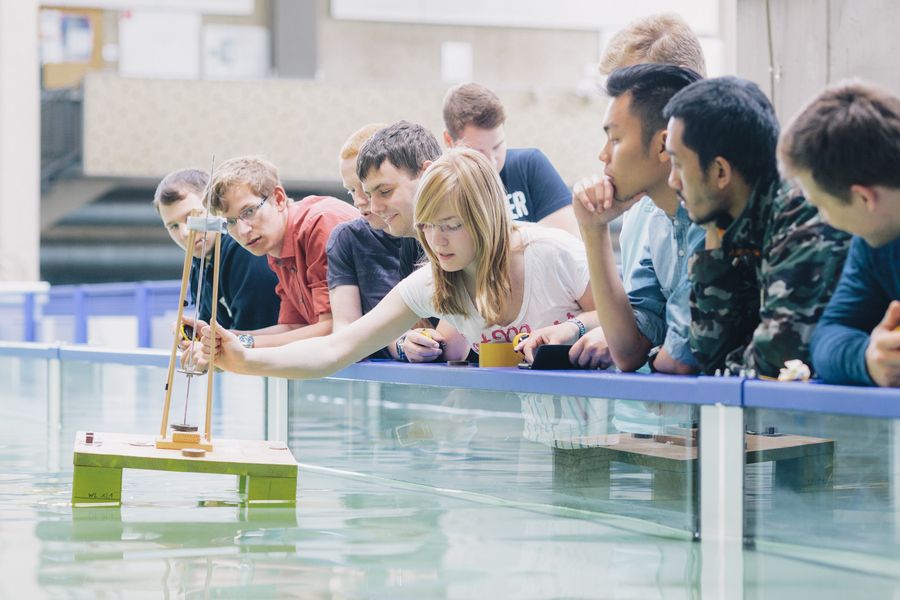
  • Studierende testen eine schwimmende Konstruktion in einem Wasserbecken.
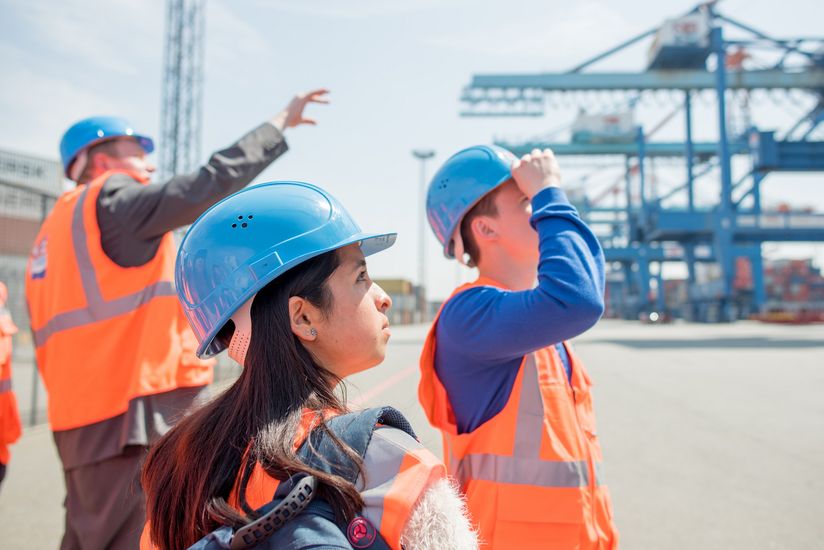
  • Ein Beschäftigter führt Studierende in Warnwesten und Schutzhelmen durch ein Containerterminal.

Internationalität

Der Studiengang ist vollständig auf Englisch und bereitet Sie auf internationale Karrieren vor. Wahlweise können Sie auch ein Semester im Ausland studieren. Durch unsere strategischen Partnerschaften profitieren Sie von einem globalen Netzwerk:

  • IAMU (International Association of Maritime Universities): Weltweites Netzwerk von über 60 maritimen Hochschulen. Möglichkeiten für Gastdozent:innen, gemeinsame Projekte und Auslandssemester.
  • STARS-EU (Strategic Alliance for Regional Transition): Europäische Hochschulallianz mit Partnern in 9 Ländern. Zugang zu Modulen, Summer Schools und gemeinsamen Forschungsprojekten.
  • DAAD-Projekt TAMP (Transnational Accessible Master Programmes): Als einer von drei Pilotstudiengängen gefördert bis 2028. Unterstützt internationale Mobilität und transnationale Studienmodelle.
Unsere Partnerhochschulen

Studienverlauf (Englisch)

Beispielhafter Studienverlauf für die 3-semestrige Vollzeitvariante

    • Maritime transport system within the global supply chain; actors, information and incentives.
    • Fundamentals of ship theory & hydrodynamics; resistance, propulsion, sea margin; performance data quality.
    • Energy efficiency: fuels, EEXI, CII; technical and operational measures; regulatory context.
    • Economic and ecological impacts of maritime operations; KPIs and normalisation.
    • Routing & ETA optimisation; weather routing; just-in-time arrivals; decision-support basics.
    • Port operations, shore power and green port initiatives; data standards and collaboration.
    • Integrated case studies applying a holistic approach across ship, route and port.
    • Program structures and principles
    • Data structures and database management systems
    • Algorithm design and analysis fundamentals (e.g., sorting, searching, graph algorithms)
    • Geographic Information Systems (GIS) and spatial analytics
    • Programming fundamentals for data analysis (Python or R)
  • I. Project Management Fundamentals and Application

    • Core Concepts: Definition of projects, project environment, and the role of the project manager.
    • Methodology: Models for handling agile, traditional, and hybrid projects. Project phases and processes (initiation, planning, executing, monitoring, controlling, closing).
    • Planning Tools: Creating Scope Statements, Work Breakdown Structures (WBS), resource allocation, risk and opportunity management (qualitative and quantitative analysis), and defining a Project Management Plan (e.g. as Gantt chart).
    • Soft Skills & Leadership: Team development, conflict resolution, cooperation, networking, and the importance of soft skills like communication

    II. Innovation and Sustainability Frameworks

    • Innovation: Concept and typology of innovation, innovation process, models, and organizational forms for innovation management. Finding creative solutions and innovation management techniques.
    • Sustainability: Sustainability principles (e.g. P5 standard), Technology Assessment, and evaluating technological developments against sustainability criteria. Sustainable Project Management incorporating environmental, social, and economic impact.
    • Ethics and Governance: Importance of ethical considerations and aligning projects with organizational governance structures.

    III. Theory Practice Transfer (TPT) and Project Execution

    • Project Context: Structuring, execution, and monitoring of a real-world task provided by an industry partner/own employer.
    • Stakeholder Engagement: Identifying and managing stakeholders, effective communication with external partners, and managing their expectations.
    • Deliverables: Production of project documentation (e.g., project report/paper, exposé, draft plan) and final presentation/pitch of the solution to external stakeholders.
    • Introduction to risk management: definitions, objectives, and frameworks (ISO 31000; IMO context)
    • Basic concepts of probability: likelihood, consequence, risk levels, and simple probability combinations relevant to safety and reliability
    • Risk assessment tools: FMEA, risk matrix approach, and the IMO’s Formal Safety Assessment (FSA) methodology
    • Life-cycle management: stages from design to decommissioning; maintenance planning; total cost of ownership
    • Economic evaluation: ROI, NPV, and cost–benefit analysis in maritime investments
    • Sustainability perspective: ecological footprint, life-cycle cost vs. environmental impact
    • Decision-making under uncertainty: qualitative ranking, scenario evaluation, and prioritisation of mitigation measures
    • Case studies: integrated maritime examples linking technical, economic, and environmental aspects
  • Sustainability of and digitalisation in the maritime transport sector - Legal and Regulatory Aspects – Students will be introduced to the legal and regulatory aspects of the twin, bidirectional challenges that impact and trigger innovation in maritime transport businesses: sustainability and digitalisation. The course will rely on case studies and best practices to illustrate the legal and practical context of sustainability and digitalisation issues in maritime transport.

    1. A. Sustainability - An overview of selected regional (EU) and global rules on sustainable shipping with focus on the decarbonization of the maritime sector will be presented. Special attention will be given to the challenges faced by decision-makers and managers in complying with the regulations to decarbonize shipping.
    2. B. Digitalisation - Technological and digital developments such as autonomous vessels, autonomous systems and automation of business operations are rapidly and dynamically transforming the maritime transport sector. This course introduces the students to the legal framework of digital technologies in the commercial context. Areas covered will include the legal and regulatory frameworks on 1) E-commerce, digital markets and digital services, 2) on data, including protection of databases, data governance, personal data protection, intellectual property aspects of content and data, and 3) on artificial intelligence.

    Procurement – This course will be both theoretical and practical. Topics covered will include the fundamentals of procurement, procurement processes, procurement planning and strategy, sourcing and supplier selection, negotiations, contract management, ethics and compliance, and procurement performance measures. Under the wider umbrella of sustainability and digitalisation, special attention will be paid to digital contracts and e-procurement. Students will be required to test the knowledge learned by way of negotiation exercises and the drafting of sample procurement agreement.

    • Digital technologies and architectures in ship and port systems
    • Sensors, data acquisition and communication networks (IoT, cloud–edge integration)
    • Automation, control and system integration in maritime applications
    • Artificial Intelligence (AI) and machine learning methods for performance optimisation and predictive maintenance
    • Big Data architectures and processing in ship and fleet operations
    • Cyber Security principles, risk management and resilience strategies
    • Distributed Ledger Technologies (DLT) for secure and transparent data exchange
    • Digital transformation fundamentals: drivers, barriers, and maturity assessment in maritime organizations
    • Sustainable digital business models: Business Model Canvas, value creation through digitalisation in shipping and logistics
    • Change management: Frameworks for leading digital and sustainable transformation initiatives
    • Digital leadership: managing distributed teams, stakeholder engagement, and communication strategies
    • Data-driven decision making for sustainability: KPIs for environmental performance, emissions monitoring dashboards, and the Balanced Scorecard approach
    • Digital strategy development: roadmapping sustainable digital investments, evaluation and prioritization methods
    • IT governance, digital risk management, and energy-efficient IT practices
    • Case studies: digital transformation driving sustainability in the maritime industry
  • Elective – Maritime Simulation and Optimization

    • maritime simulators as research tool
    • simulation and modeling techniques for ships, engine and cargo
    • documentation of simulation results
    • validation methods

    Elective – Autonomous Maritime Systems

    Technology Landscape and System Architecture

    • Degrees of maritime autonomy (IMO MASS Degree 1–4) and current commercial implementations
    • Sensor fusion, perception systems, and COLREGs-compliant collision avoidance algorithms
    • Connectivity infrastructure, Shore Control Centre (SCC) architecture, and cybersecurity

    Regulatory, Legal, and Insurance Environment

    • IMO MASS regulatory scoping exercise and emerging goal-based MASS Code
    • Flag state frameworks, classification society notations, and STCW implications
    • Liability attribution and P&I insurance considerations for unmanned vessel operations

    Management, Business Case, and Organisational Change

    • Technology readiness assessment and total cost of ownership modelling for autonomous deployments
    • Procurement of autonomous systems: performance specifications, vendor evaluation, and contract structuring
    • Remote Control Centre design, workforce transition, and reskilling of seafarers for remote operations roles
    • Project scoping and problem definition with industry partners: identifying relevant challenges in digitalisation, sustainability, or change management
    • Research design and methodology selection: qualitative and quantitative approaches for industry-oriented projects
    • Stakeholder analysis and management in maritime organizations
    • Application of frameworks from previous modules: Business Model Canvas, change management models, digital maturity assessment, sustainability metrics
    • Data collection and analysis methods: interviews, surveys, operational data analysis, benchmarking
    • Solution development: feasibility analysis, risk assessment, and implementation planning
    • Project management: agile methods, timeline management, deliverable planning
    • Industry collaboration practices: communication protocols, confidentiality, intellectual property considerations
    • Presentation techniques: executive summaries, project reports, stakeholder presentations
    • Critical reflection and lessons learned documentation
  • Elective – Maritime Simulation and Optimization

    • maritime simulators as research tool
    • simulation and modeling techniques for ships, engine and cargo
    • documentation of simulation results
    • validation methods

    Elective – Autonomous Maritime Systems

    Technology Landscape and System Architecture

    • Degrees of maritime autonomy (IMO MASS Degree 1–4) and current commercial implementations
    • Sensor fusion, perception systems, and COLREGs-compliant collision avoidance algorithms
    • Connectivity infrastructure, Shore Control Centre (SCC) architecture, and cybersecurity

    Regulatory, Legal, and Insurance Environment

    • IMO MASS regulatory scoping exercise and emerging goal-based MASS Code
    • Flag state frameworks, classification society notations, and STCW implications
    • Liability attribution and P&I insurance considerations for unmanned vessel operations

    Management, Business Case, and Organisational Change

    • Technology readiness assessment and total cost of ownership modelling for autonomous deployments
    • Procurement of autonomous systems: performance specifications, vendor evaluation, and contract structuring
    • Remote Control Centre design, workforce transition, and reskilling of seafarers for remote operations roles
    • Determine the research task or question
    • Identify and analyze literature
    • Plan and determine the frame of content and time (exposé and draft of Table of Content)
    • Determine methods of research
    • Work on scientific development of answers
    • Analyze and discuss data
    • Structure, develop and write the thesis
    • Defense of the thesis

Modulhandbuch

  • Modulhandbuch SMTD Sustainable Maritime Transportation & Digitalisation M. Sc. (vorläufige Version) (PDF, 744 KB, Datei ist nicht barrierefrei)

Kontakt

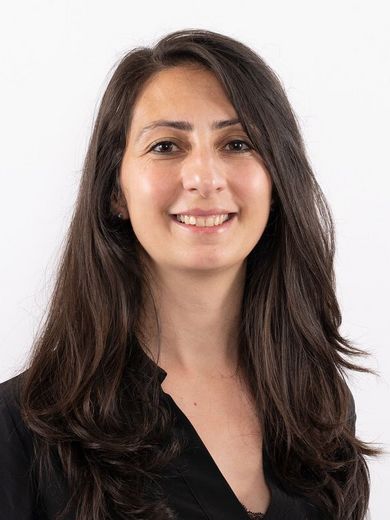
Ilknur Colmorn

Prof. Dr. Ilknur Colmorn
+49 421 5905 4134
+49 176 1514 0361
E-Mail

  • Zu unserer Instagram Seite Zu unserer Instagram Seite
  • Zu unserer Facebook Seite
  • Zu unserer YouTube Seite
  • Zu unserer Xing Seite
  • Zu unserer LinkedIn Seite
  • Kontakt
  • Cookies
  • Raumfinder
  • Karriere
  • Impressum
  • Datenschutz
  • Barrierefreiheit

© HSB - Hochschule Bremen 2026