The entire range of biomimetic activities under one roof
Since its foundation in 2005 the B-I-C has been coordinating research activities in the fields of basic and applied research and development. Furthermore the institute supports and facilitates technology transfer from science to industry, especially concerning the national and international networking of different actors in the environment of biomimetics.
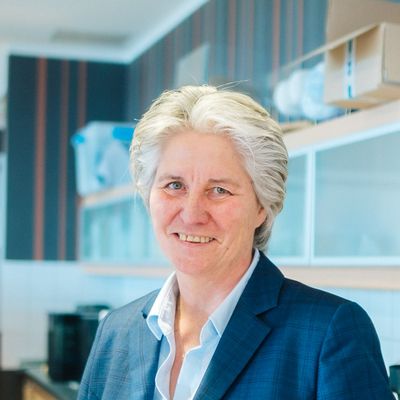
„For millions of years, nature has been providing solutions to key tasks such as transport, protection from danger, temperature regulation, energy supply and much more. Biomimetics looks at this pool of diverse, proven solutions and deciphers their operating principles. The ultimate goal is to solve problems for the technology of the future. In this way, biomimetics opens up new avenues for sustainable, resource-saving and climate-friendly products and processes.“
Prof. Dr. Antonia Kesel Head of B-I-C & Programme director: International Study Course Biomimetics (B. Sc.) Biomimetics: Mobile Systems (M.Sc.)
Biomimetic research takes place in close cooperation between diverse disciplines. Therefore, the research teams at the B-I-C are multidisciplinary and cooperate in the field of R&D at both national and international level with companies and institutions from a wide range of fields. The aim is to gain new insights in the respective research areas and to translate these into innovative technologies through application-oriented research.
Air and water currents have a significant impact on the performance of technical systems. Shape and surface structure determine drag, lift and energy efficiency. Nature offers a multitude of optimised solutions for this – from friction-reducing microstructures to streamlined wing geometries.
Fluid dynamics is therefore a key research focus at the B-I-C. Biological models such as shark skin, salvinia and insect wings serve as inspiration for systematically analysing efficient principles and transferring them to technical applications.
Both experimental investigations in the aerodynamics and hydrodynamics laboratories and numerical simulations using computational fluid dynamics (CFD) are used. On this basis, the B-I-C develops innovative, flow-optimised solutions for a wide range of applications – from surface structures to bio-inspired drive concepts.
Biological organisms move around in a wide variety of habitats with high efficiency, adaptability and minimal energy consumption. Their locomotion strategies – from running and climbing to swimming and flying – provide valuable models for innovative technical drive and mobility systems.
At the B-I-C, these principles are systematically investigated and transferred to applications in robotics, vehicle technology and autonomous systems. A particular focus is on locomotion in air and water, for example on bio-inspired wings, lightweight structures and energy-efficient drive concepts.
Experimental motion analyses and state-of-the-art simulations form the methodological basis for precisely capturing biological strategies and translating them into powerful, resource-efficient technologies.
Biological surfaces have diverse, highly functional properties and offer great potential for innovative and sustainable technical applications. At the B-I-C, the surfaces and interfaces of marine organisms are studied in particular in order to understand natural adhesion, bonding and flow mechanisms and transfer them to technical systems.
The focus is on multifunctional surfaces with properties such as self-cleaning, friction reduction, protective and insulating functions, and targeted adhesion. These principles serve as the basis for the development of high-performance material and surface concepts.
Recent research has included bio-inspired antifouling solutions, adhesive-free adhesion systems and air-trapping surfaces for friction minimisation – for example, for ship hulls in the EU project AIRcoat or pipe systems in the BMBF project AIRtube.
Biological structures combine high load-bearing capacity with minimal use of materials and are therefore considered natural models for efficient lightweight construction concepts. At the B-I-C, these principles are systematically analysed in order to develop robust, resource-saving and high-performance components for technical applications.
With the aid of numerical simulations and structural mechanical optimisation methods, natural design strategies – such as the growth and adaptation processes of trees or bones – are abstracted and transferred to technical systems. Methods such as computer-aided optimisation (CAO) and structural-constructive optimisation (SKO) enable significantly lighter structures with the same or higher load-bearing capacity.
The Biological Structures and Biomechanics working group focuses its research on the arthropod cuticle as a versatile biological composite material. The focus is on its biological function, its microscopic mechanics and the development of novel, cuticle-inspired materials using nanotechnology. The multi-layered structure of the cuticle provides important insights for the design of modern fibre composites and impact-resistant lightweight structures – with potential applications ranging from aerospace to industrial product and packaging technology.
The Biological Materials working group researches bio-inspired, biomimetic and bio-based materials as well as the entire value chain of natural fibres and fibre-reinforced composites. The aim is to understand the structure-property relationships of biological and technical materials and to use this knowledge to develop sustainable, high-performance products.
Proven principles of biological systems can be applied to business issues in organisation, production and logistics. In close cooperation with industry partners, we analyse natural strategies for efficiency, resilience, self-organisation and adaptive control and make this potential available to companies in a targeted manner.
Biological models show how complex processes can be coordinated in a stable and efficient manner through decentralised decision-making structures, robust communication and flexible workflows. We transfer these mechanisms to production processes, internal communication structures and national and global supply chains with the aim of making processes more efficient, resilient and resource-efficient.
In successful industrial collaborations – including with the company Tchibo – bionic methods have been directly translated into concrete operational measures. The process model developed jointly at the B-I-C now serves as a practical guide for further projects aimed at the sustainable optimisation of organisational and logistics processes.
Biomimetics-Innovation-Centre
Bremen University of Applied Sciences
Prof. Dr. Antonia B. Kesel
Neustadtswall 30
28199 Bremen
Germany
Biomimetics-Innovation-Centre
Bremen University of Applied Sciences
Hermann-Köhl-Straße 1
28199 Bremen
Germany
The Biomimetics-Innovation-Centre is a member of the German Biomimetics Network of Excellence e. V. (BIOKON). Several projects of the institute are integrated in action groups of the German government, the European Union and the Deutsche Bundesstiftung Umwelt DBU. Moreover, the B-I-C is involved in the professional association “Technologies of Life Sciences (TLS)” of the Association of German Engineers (VDI) and in the Society for Technical Biology & Biomimetics (GTBB e.V.).
Since 2003 already the biomimetics course programme is part of the course offer of the Bremen University of Applied Sciences. By then the first of its kind worldwide, the programme is outstanding on the German and international education and training landscape. The master degree programme Biomimetics: Motion Systems (3 terms, M.Sc.) is a follow-up to the International Bachelor's degree in Biomimetics / Bionik (ISB) (7 terms, B.Sc.).
In 2022, two biomimetic-hackathons were held at the B-I-C in cooperation with BIOKON e.V. and cooperation partners from industry.
In addition to the biomimetics study programme, the B-I-C offers practice-oriented formats for a broader and more specialised audience. These formats convey biomimetic thinking and development approaches and enable participants to experience their application to specific issues.
For example, two hackathons were held in 2022, each in collaboration with an industry partner. In this format, technical problems are worked on intensively within a clearly defined period of time. The problem serves as the starting point for a structured biomimetic development process: from analysis and identification of suitable biological models to the derivation of transferable principles.
All ideas and concepts developed are consistently geared towards addressing the underlying technical challenge. The formats promote interdisciplinary work, creative problem solving and the transfer of biomimetic principles into application-oriented concepts – for research, teaching and industrial innovation processes alike.
The research activities aim at the timely transfer of technology from research to industry, from theory to application. The B-I-C is supported in this by a large number of regional, national and international partners from research and industry.
The transfer and start-up service of the HSB supports members and their cooperation partners.
Since 2003, Hochschule Bremen – City University of Applied Sciences has offered a biomimetics study programme that distinguishes the institution on the national and international education market. Hochschule Bremen offers a 7-semester international bachelor's degree programme in Biomimetics (B.Sc.) and a 3-semester master's degree programme in Biomimetics: Mobile Systems (M.Sc.).
Biomimetics in Bremen is currently offering a doctoral position as part of the EU-funded Nature4Nature joint project in the field of flow simulation. Eight doctoral students at eleven locations worldwide are being trained in biomimetic development methodology as part of this project – in interdisciplinary teams of biologists, engineers, designers and industry partners. The research focus is on the development of bio-inspired filter systems for cleaning the oceans, which make targeted use of natural principles for sustainable technical applications.
It is also possible to pursue a PhD individually in cooperation with various projects in the Biomimetics working groups. Please contact the professors leading the working groups for more information.
From research, industry and young scientists
The diversity of biomimetics united in one event
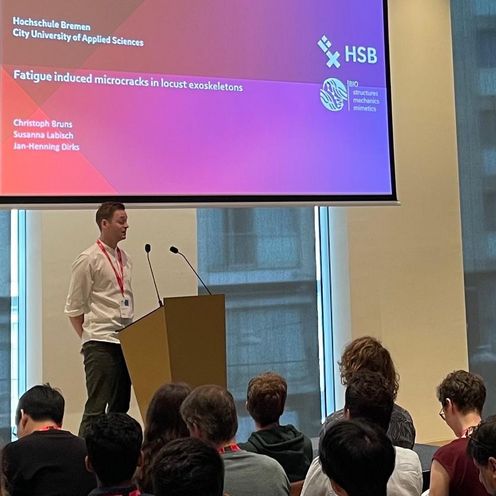
The Bremen Biomimetics-Congress is a globally unique platform that brings together science, industry and young talent alike. For many years, the congress has offered a comprehensive overview of the diversity of biomimetics – from basic research and biological analysis to technical applications, industrial innovations and forward-looking transfer projects.
The focus is on biological principles, technical developments and interdisciplinary exchange on how these ideas can be translated into real, sustainable solutions.
In lectures, poster sessions and exhibit presentations, researchers, students and companies showcase current work from all areas of biomimetics – from functional morphology and materials research to industrial implementation.
Exchange between universities, research institutes, start-ups and industry partners is a central component of the format. This creates an inspiring environment for cooperation and knowledge transfer.
Short poster pitches in front of the plenary enable topics to be presented concisely and followed up immediately with dialogue. The poster areas encourage intensive technical discussions and networking.
The GTBB poster prizes are awarded during the congress – an award for innovative and scientifically sound contributions.
With around 150 participants from Germany and Europe, the Bremen Biomimetics-Congress is a fixed date in the calendar of the community.
The congress highlights the diversity and potential of biomimetics – and provides a space to initiate new ideas, develop projects and promote young scientists.
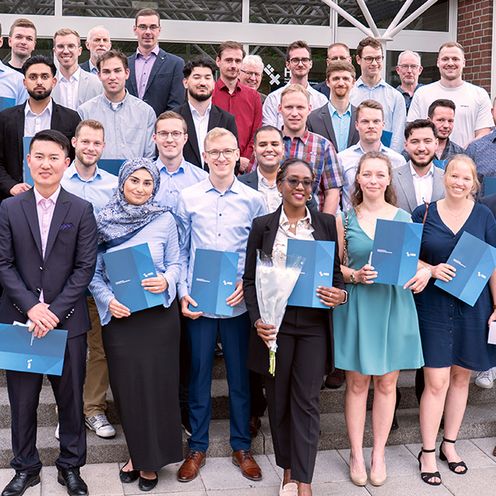
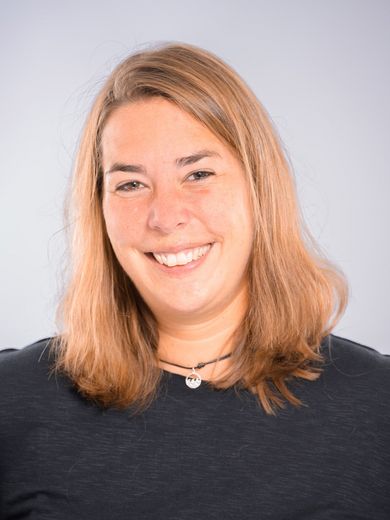
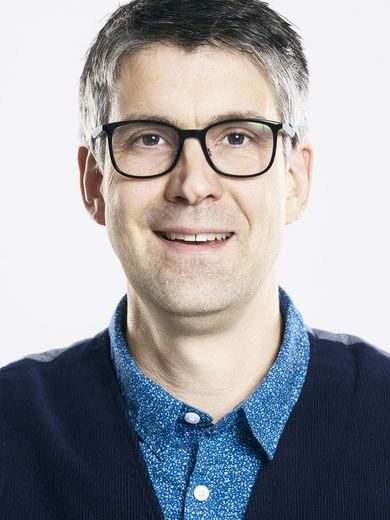
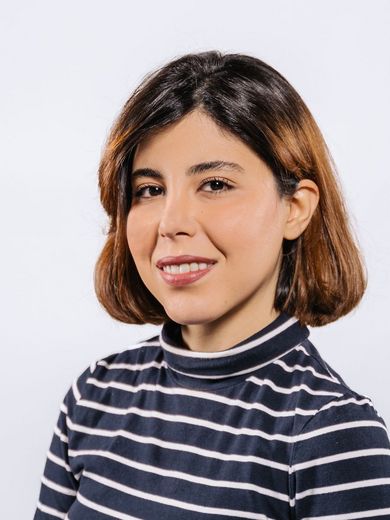
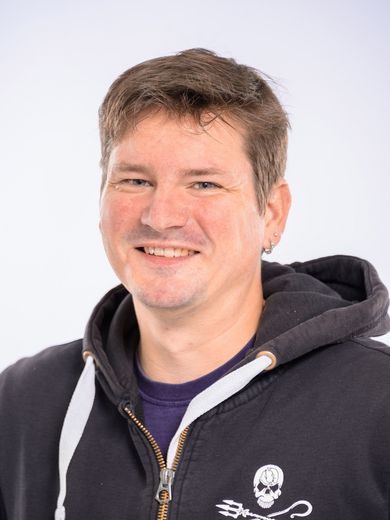
Five professors and around 20 staff members form the heart of Biomimetics in Bremen. Together, they develop new ideas, advance research, support students and ensure that Biomimetics is brought to life in a practical way.
© HSB - Ana Rodríguez
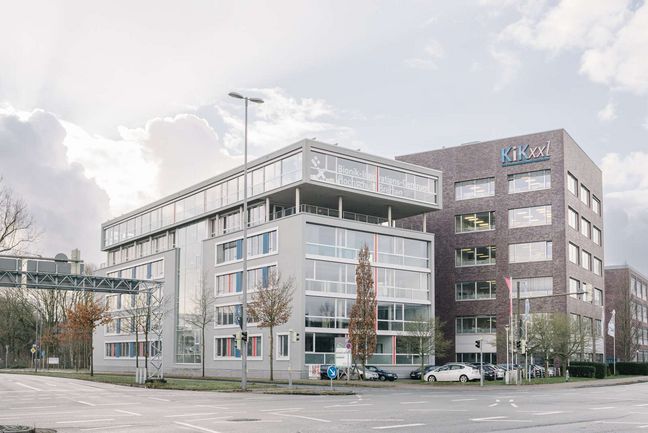
The B-I-C of the Bremen University of Applied Sciences can be found near Bremen Airport on the 4th and 5th floor of the building (abbreviation: HK) with the address:
Hermann-Köhl-Straße 1
28199 Bremen
The large seminar rooms are also located here and many of the lectures of the Biomimetics study program are held here. Also on site are some laboratories (e.g. computer labs, 3-D printing line). Other laboratories (e.g. materials) are located in the buildings at Neustadtswall.



![[Translate to English:] View of a historic part of the buildings of St John](/assets/hsb/de/_processed_/a/c/csm_ESBBC-3-biomaterials-Cambridge_250915_080842_web_601a28d1e3.jpg "ESBBC-3-biomaterials-Cambridge 2925")