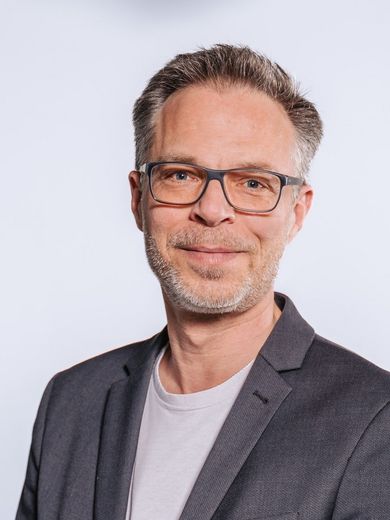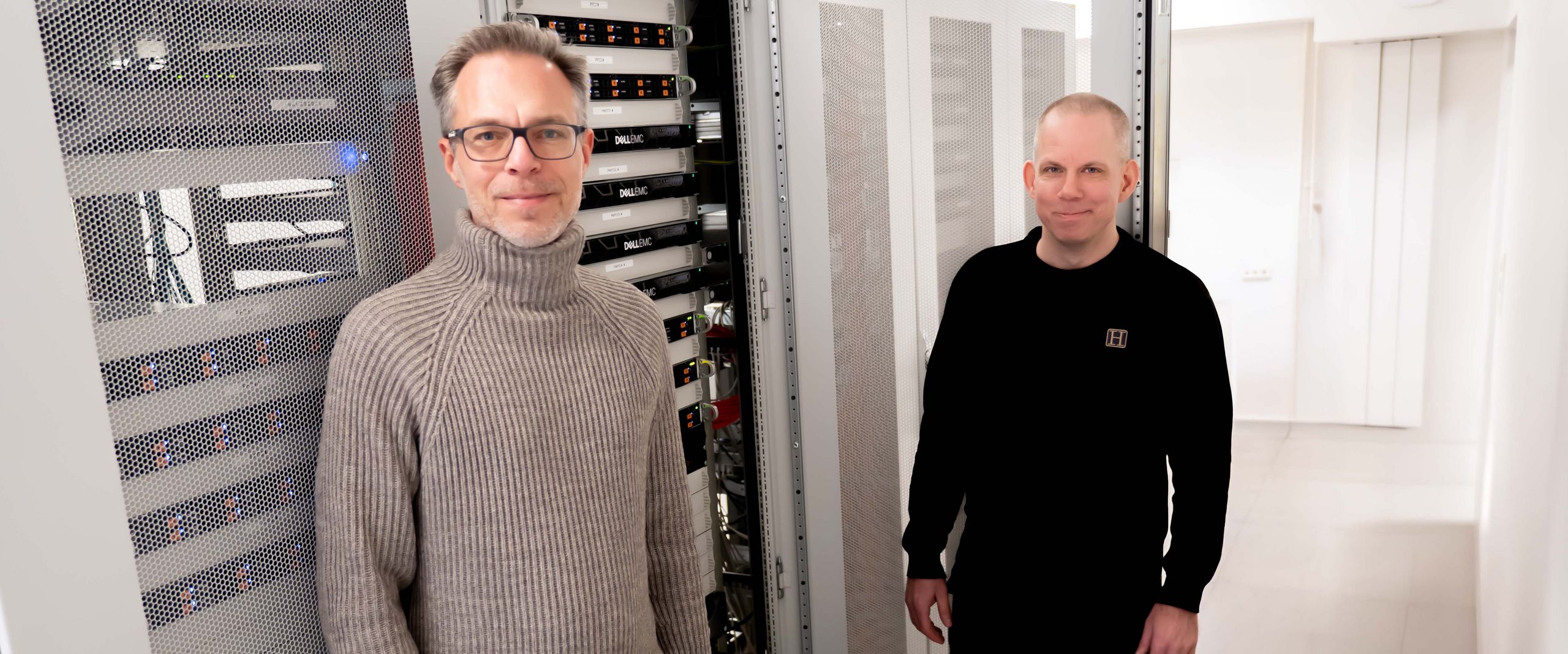
Hochschule Bremen (HSB) thrives on the people who study and work here, and who enrich the university as visitors. In our ‘Three Questions for…’ section, we introduce some of them. Here: Professors Dr Lars Braubach and Dr Thorsten Teschke. Since the summer semester of 2024, they have formed the new ‘Academic Directorate for Digitalisation and the Data Centre’ at Hochschule Bremen – the first time the role has been co-led. The title of their position is also new. Time to find out more.
Mr Braubach, Mr Teschke, first of all, could you clarify something: your colleague Martin Ammon has been Head of the HSB’s Data Centre for several years. In addition, there is a ‘Head of Digitalisation and Data Centre’. This position was previously known simply as ‘Head of Research’. How do your responsibilities differ from those of Mr Ammon, and why does your title now include ‘Digitalisation’?
Lars Braubach/ Thorsten Teschke: We were keen to change the title to ‘Head of Digitalisation and Data Centre’ as we are not only focused on the traditional tasks of the data centre, but also wish to help shape the digitalisation of the entire university.
Whilst Mr Ammon, as Head of the Data Centre, is responsible not only for further development but also, in particular, for operational management and day-to-day business, we see our role primarily as supporting strategic development. We represent the needs of teaching, research and administration and incorporate these into the work of the data centre. At the same time, we naturally also keep an eye on the internal technical and organisational structures to ensure that innovations can be implemented in practice. Our aim is to position the data centre not only as an infrastructure operator, but as a driver of digital innovation at the university.
This is the first time this position has been held by two people, a arrangement which, incidentally, is required by the Bremen Higher Education Act. Why did you decide to do this?
There are two main reasons for this: firstly, the field of digitalisation is so extensive that it makes sense to divide the tasks involved between two people with different areas of expertise and skills. Secondly, the dual leadership structure enables us to discuss critical issues together and make well-informed decisions. This mutual exchange helps us to consider solutions from different perspectives and ultimately make better decisions for the university.
Your term of office is four years. What are your plans for this period?
We have many ideas and aspirations, but we are aware that we must set priorities due to limited resources. Our key objectives are:
- The further development and improvement of selected data centre services that make the day-to-day work of all university members easier.
- Positioning the Data Centre as a central ‘enabler’ for the university, actively contributing to digitalisation and being perceived as a reliable partner.
- Developing a sustainable digitalisation strategy in collaboration with Vice-Principal Sabina Schoefer and Data Centre Manager Martin Ammon, in order to tackle key digitalisation issues in a targeted manner.
A key component of this will be the increased use of current technologies such as internal cloud solutions and modern identity management systems. Our aim is to transform the Data Centre into a university service centre that students, lecturers, researchers and staff alike are happy to use.