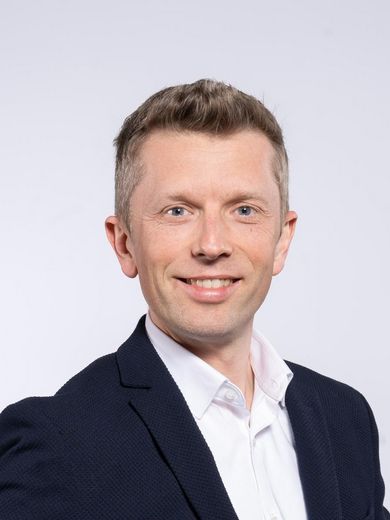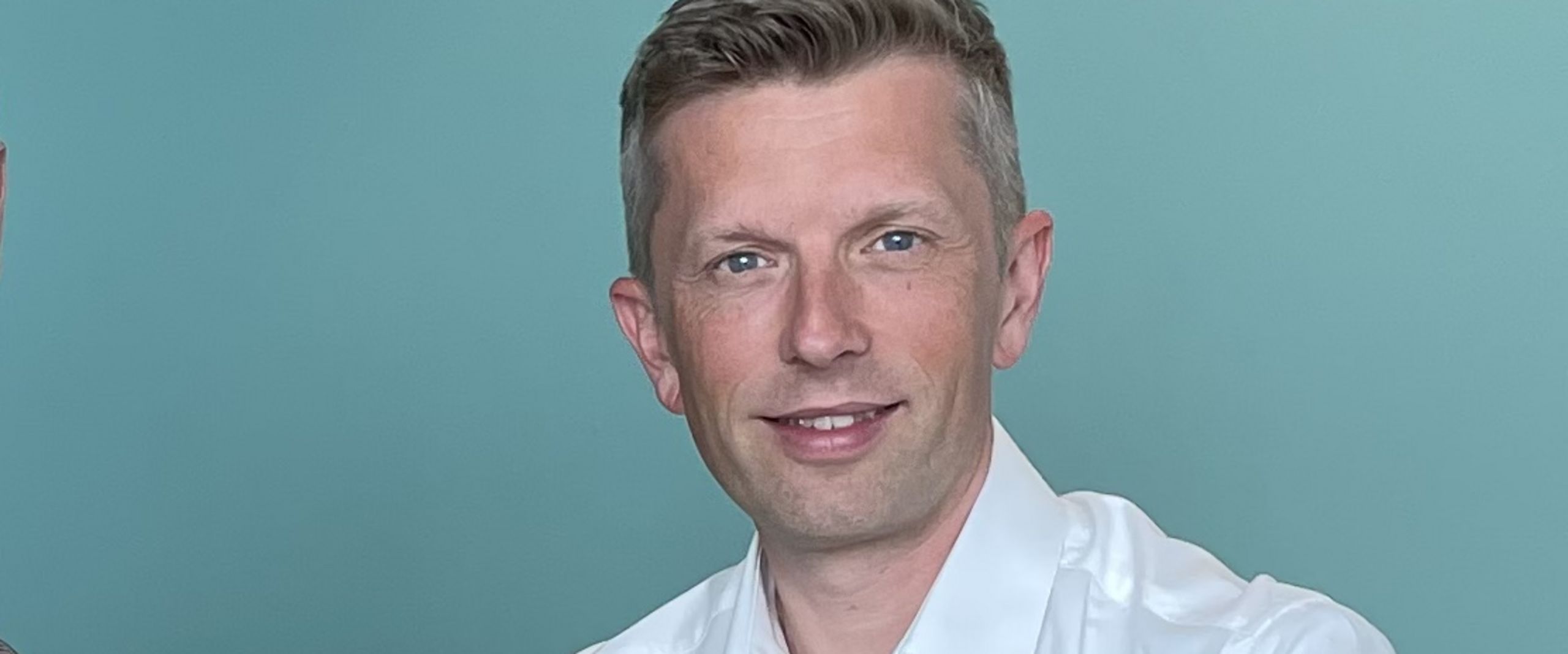
What will I do for a living later on? This is a question many school pupils and students ask themselves. In his podcast “Zukunftsbrücken Bremen”, Dr Dennis Kampen, a professor at Hochschule Bremen (HSB), offers students and school pupils fascinating insights into the career opportunities awaiting them in the Bremen area after completing a technical degree. In each episode, the engineer visits companies in the region and speaks with executives and HSB alumni, who share their personal career paths. In the interview, the academic explains what motivated him to launch this project and how the response to his podcast series has been so far.
Mr Kampen, you launched your own podcast series just over a year ago. How did you come up with the idea?
Dennis Kampen: In conversations with students and school leavers, I’ve noticed time and again that whilst many know what they could study, they have little idea of what day-to-day working life will actually be like later on. Field trips and work placements do help, but they only reach a few people. With the podcast, I wanted to provide an accessible insight. Real career paths of alumni, genuine insights into companies in the region and practical information on starting a career. The idea was to build a bridge between studies and the world of work – hence the name “Zukunftsbrücken Bremen”.
What has been the response to your project from companies?
The response has been overwhelmingly positive. Many companies appreciate the opportunity to present themselves authentically whilst also contributing to student and career guidance. What has been particularly well received is that it is not just the company that is presented, but above all alumni who talk about their actual day-to-day work. For the companies, this is also an opportunity to make contact with potential skilled workers at an early stage.
Have you received any feedback from school pupils and students?
The podcast has only been online for just over a year, so direct feedback from school pupils has been limited so far. However, from those I’ve managed to reach, I’ve heard that the practical insights into everyday working life are very helpful when it comes to choosing a course of study. I am currently working on further expanding the reach within this target group, for example through posters and information in schools as well as via social media. It is particularly important for school pupils to gain a realistic picture of technical degree programmes and future career opportunities as early as possible. The more young people we reach, the greater the benefit – which is why I welcome any additional visibility for the format.
What motivates you to get involved in this project alongside your work as a researcher and lecturer?
Above all, I am motivated by the idea of providing young people with more guidance and helping to alleviate their uncertainties. Many find it difficult to decide on a degree course – particularly in technical fields – because the job profiles are not very tangible. At the same time, I see the podcast as a great opportunity to highlight the close collaboration between the Hochschule Bremen and regional businesses. For me, the project combines several things that are important to me: reaching prospective students, motivating current students and, at the same time, strengthening the role of Hochschule Bremen of Applied Sciences as a partner to the regional economy.
The podcast can be found on Spotify, Apple Podcast and Amazon Music under the title “Zukunftsbrücken Bremen”.