International students at Hochschule Bremen are increasingly acting as key partners in regional development, contributing research-based solutions to structural issues like housing and urban revitalization. By collaborating with state officials and local industry, these global talents are ensuring that Bremen progresses not only as an inclusive community but as a competitive, technologically advanced economic hub.
Bremen’s identity as a Hanseatic city is rooted in the practical exchange of ideas and international cooperation. This tradition continues at Hochschule Bremen (HSB) - City University of Applied Sciences, where international students are moving beyond academic theory to contribute actively to solving structural challenges at the city and state levels.
The internationalization of HSB is a measurable demographic shift. International students now make up 20.5% of the student body, representing nearly 100 different nations (https://www.hs-bremen.de/en/hsb/our-profile/hochschule-bremen-at-a-glance/). This talent pool is part of a broader trend where Germany reached a record high of over 492,000 foreign students in 2025 (https://www.wissenschaft-weltoffen.de/en/).
This growth is particularly impactful in Master's and MBA programs, where international students, throughout Germany focus on high-demand fields (https://www.studying-in-germany.org/germany-international-student-statistics/).:
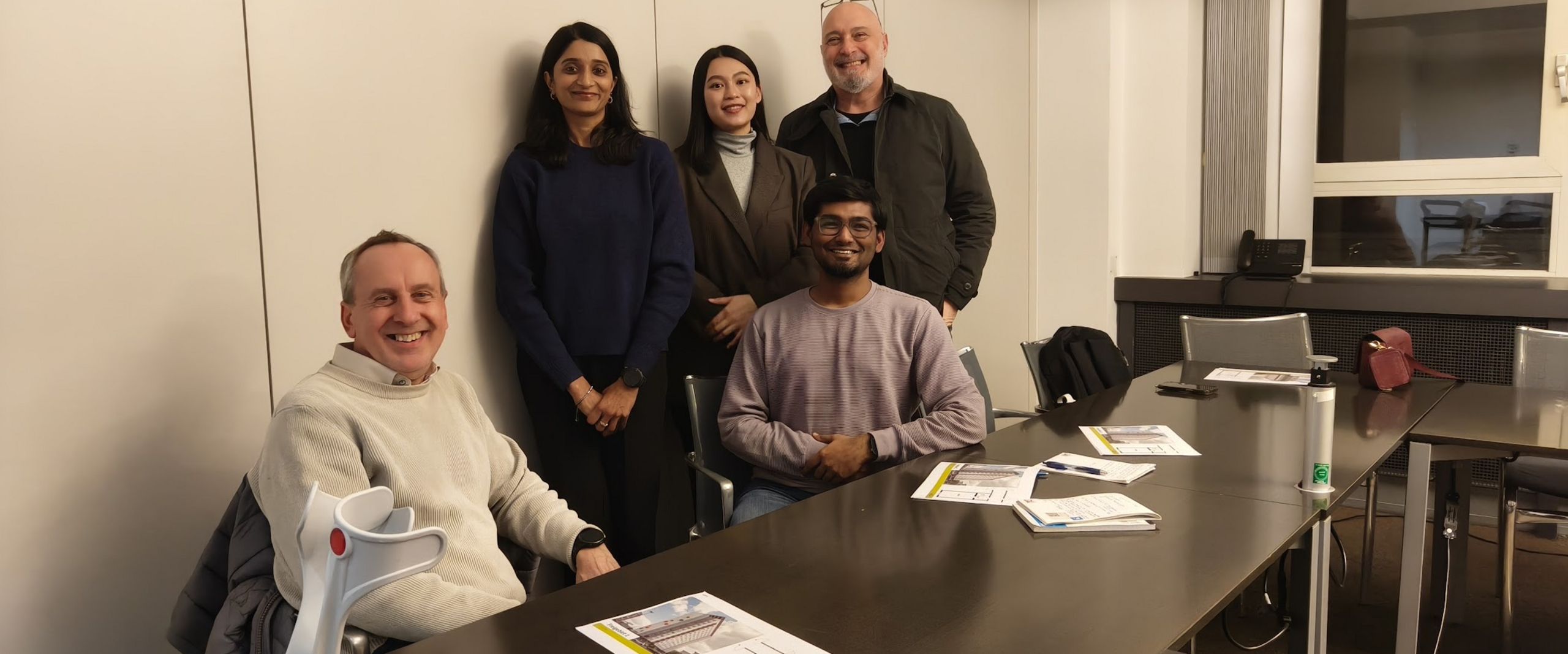
The lack of affordable student accommodation is a pressing structural hurdle in the region. In January 2026, International Graduate Center students Yi-Shan Shen and Sayan Sengupta and MBA alumni Priyanka Mitruka took an active part in the preliminary meetings of an initiative to develop solutions for the accommodation shortage in Bremen and Bremerhaven.
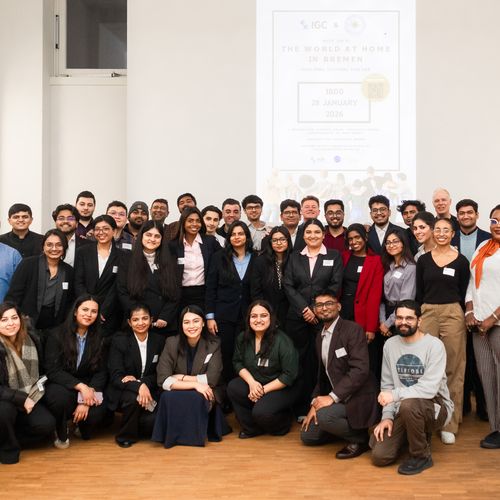
This high-level meeting brought together the Rectors of HSB and Hochschule Bremerhaven, along with representatives from GEWOBA, Studierendenwerk Bremen, the Bremen State Parliament (Bürgerschaft), the University of Bremen, and the Government of Bremen. The participating students contributed research-based proposals, such as a "trusted housing club" to protect newcomers from rental scams and deposit fraud. The research was also presented at the Worlkd at Home in Brmeen event, later in the month (https://www.hs-bremen.de/en/hsb/news/news-item/the-world-at-home-in-bremen/).
Beyond housing, the solutions developed by international students have found an effective channel through the Bremer Rat für Teilhabe und Diversität in der Migrationsgesellschaft (https://www.bremer-rat.de/).
HSB’s representation in this council ensures that the challenges and developed solutions are heard at the state level. The HSB is represented at the council by:
This platform allows student-led research—covering topics from simplified administrative services to long-term political engagement for non-EU residents—to reach state policymakers directly (https://www.hs-bremen.de/en/hsb/faculties/school-of-international-business/).
The international cohorts at HSB uses the city as a "Real-world Laboratory," ensuring their work has practical value for the state.
The relationship between Bremen and its international students is a symbiotic partnership. With over 60% of international students planning to stay in Germany after graduation to join the workforce (https://www.wissenschaft-weltoffen.de/en/), their contributions to developing solutions today are a vital part of Bremen's growth.
Photo: From left to right: HSB's rector Prof. Dr. Konrad Wolf, IGC EAM mlumni Priyanka Mitruka, IGC students Yi-Shan Shen & Sayan Sengupta, Hochschule Bremerhaven's rector Prof. Dr. Dr. Alexis Papathanasis.
Foto/Photo: Prof. Dr. Mayank Golpelwar
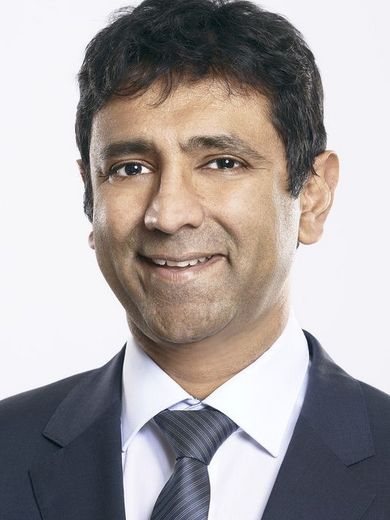
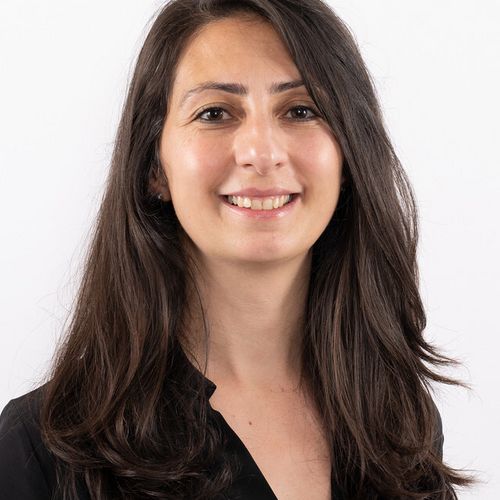
Prof. Dr. Mayank Kumar Golpelwar
Intercultural Management und Intercultural Communication
+49 421 5905 4152
Email