Institute of Aerospace Technology (IAT)
VIBES (Visionary Ingenuity Boosting European Spacecraft) is a research and education programme of the Institute of Aerospace Technology (IAT). The aim of VIBES is to study the use of consumer electronics for spaceflight applications to improve the performance of spacecraft. These “digital satellites” can operate smarter and more sustainable than current spacecraft. Through the VIBES programme, the IAT is also offering students the opportunity to develop their own satellites as part of their regular study programme. These satellites are only as big as a shoebox, yet very powerful: VIBES Pioneer, Bremen's first student-built satellite, can improve images taken from space and the SENSORIS constellation enables new insights into the Earth's gravitational field.
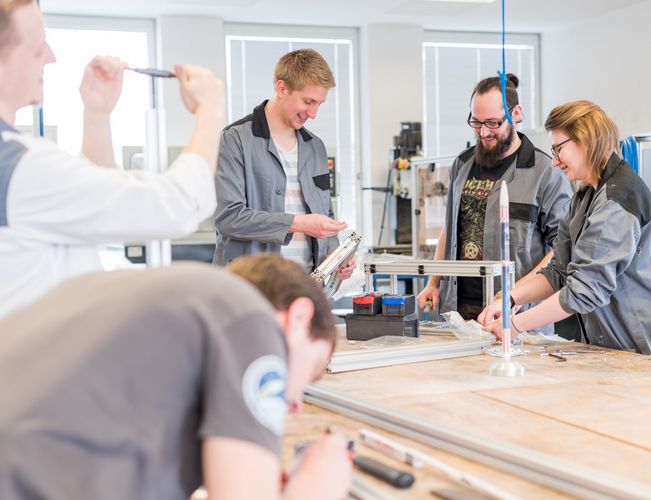
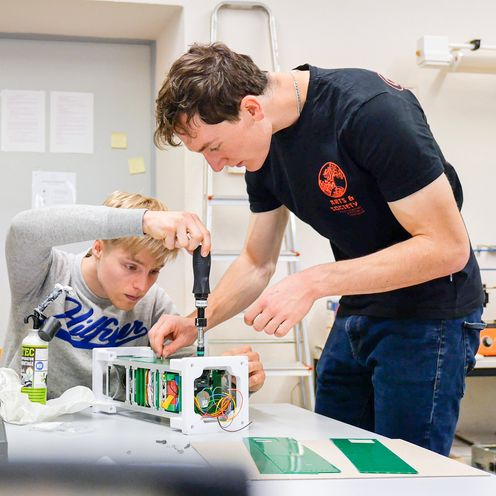
The VIBES programme is anchored in the training of future engineers and researchers at HSB and has an interdisciplinary focus. Students from a wide range of bachelor's and master's degree programmes participate in VIBES missions, thereby acquiring practical skills and learning to work in an international and interdisciplinary team. In addition, VIBES is embedded in aerospace-related degree programmes, enabling students to participate in and shape real space missions as part of their regular study programme. Final projects and theses can also be created within the framework of VIBES. Through close cooperation with industrial partners and other research institutions, students receive a highly practical education and a direct path to a career in aerospace.
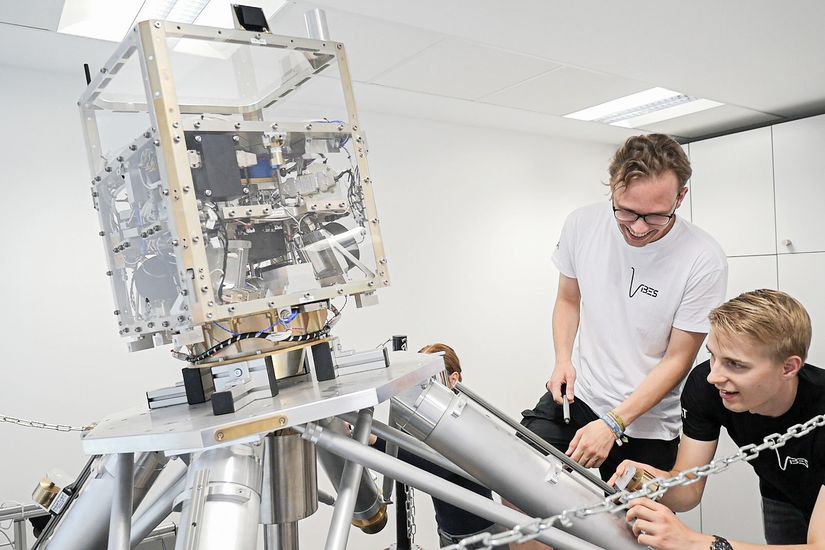
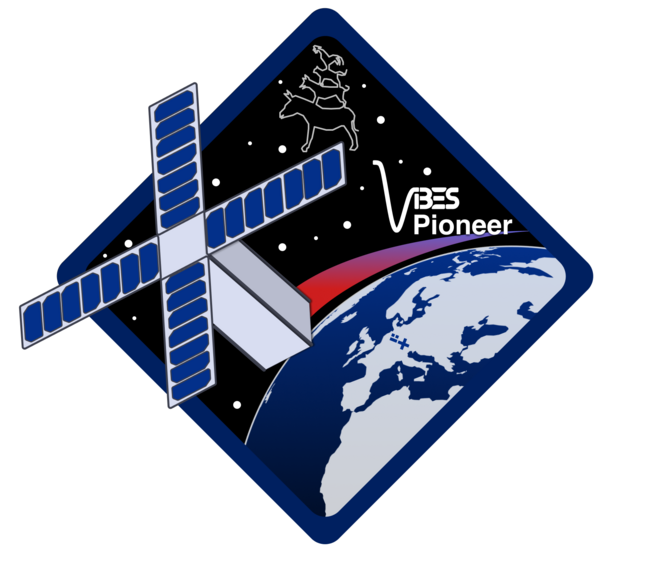
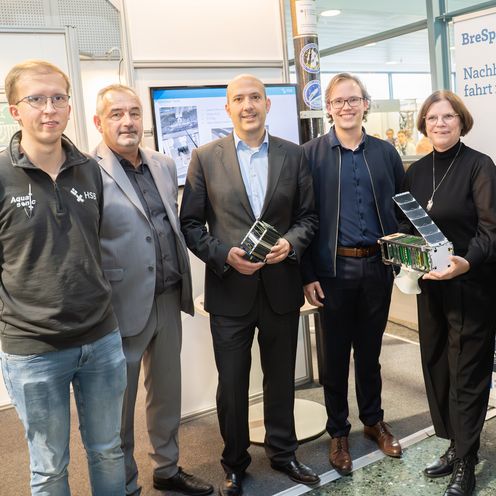
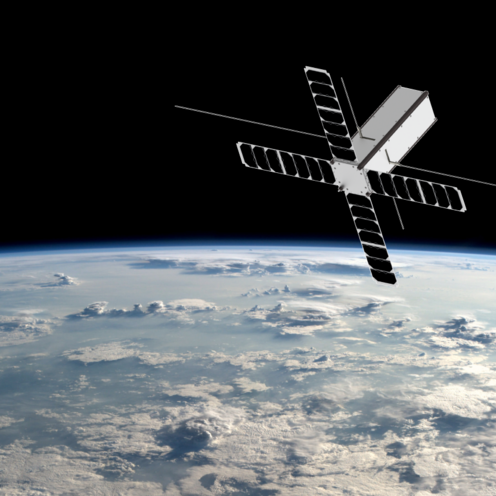
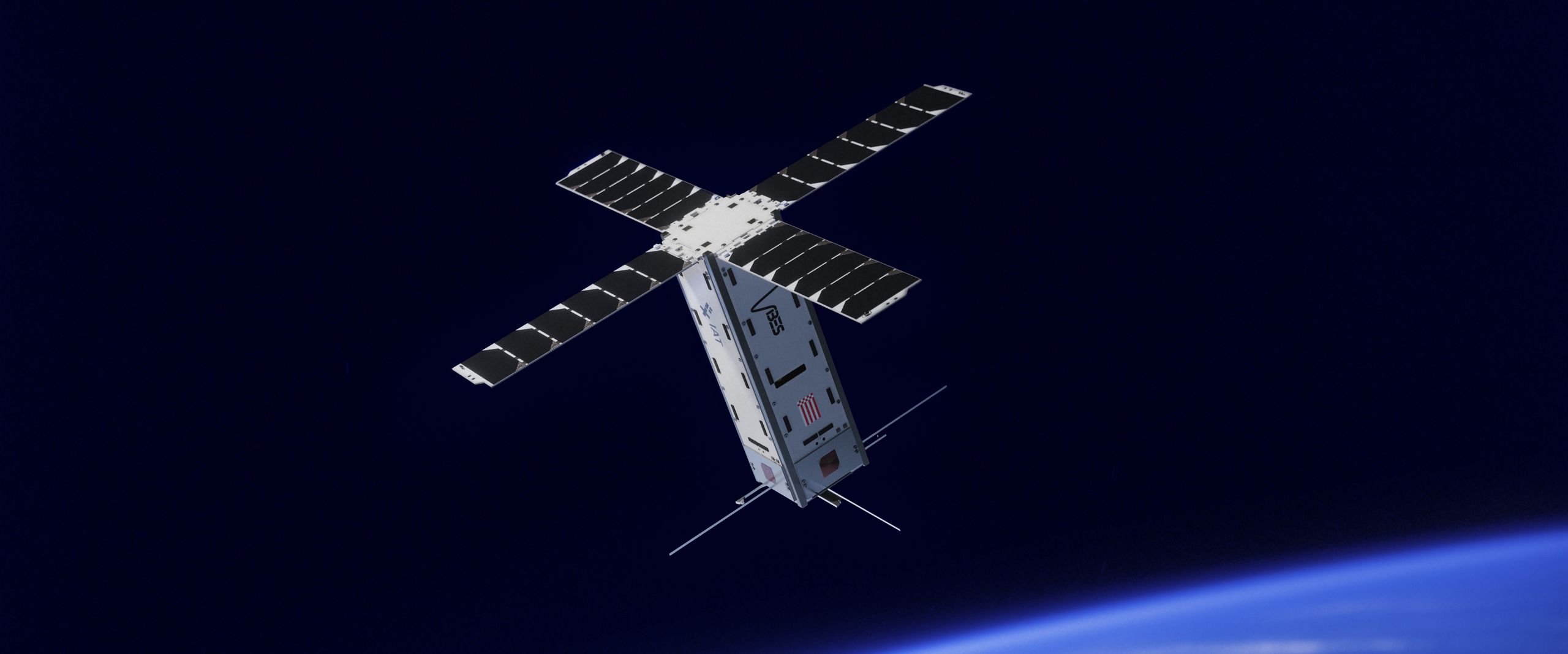
VIBES Pioneer is Bremen’s first student-built satellite. Measuring approximately 10x10x30 cm, this so-called “3U CubeSat” is only about the size of a slim shoebox. Its payload consists of an innovative measurement system that uses sensors from the automotive industry to detect small mechanical disturbances on board of the satellite. The data collected can be used to improve camera images and, in the long term, reduce vibrations through data-driven adjustments to the control algorithms. The measurement system, known as the “Microvibration Measurement System” (MVMS), was developed as part of the VIBES programme at the IAT.
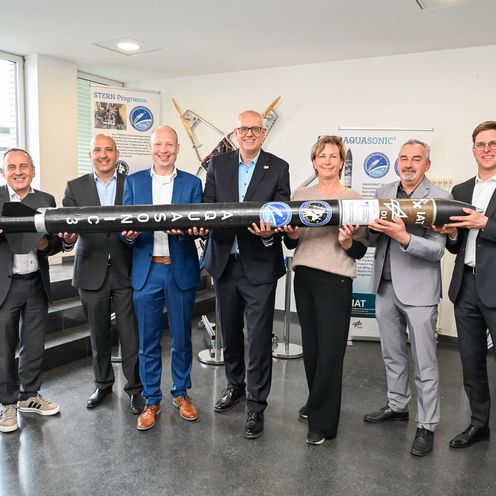
The IAT had applied the VIBES Pioneer mission in response to a call for proposals from the German Space Agency (DLR) and was selected in November 2023 as one of eight European projects for a free launch into space. This launch will take place using the new microlauncher RFA ONE of Rocket Factory Augsburg from the SaxaVord SpacePort on the Shetland Islands in Scotland. From there, VIBES Pioneer will be transported into a Low-Earth, Sun-Synchronous Orbit with an altitude of 500 km. The mission is designed to last 12 weeks, though operation beyond this period is possible if conditions are favourable. The satellite will be controlled from the newly established VIBES Ground Control Centre at the IAT near Bremen Airport.
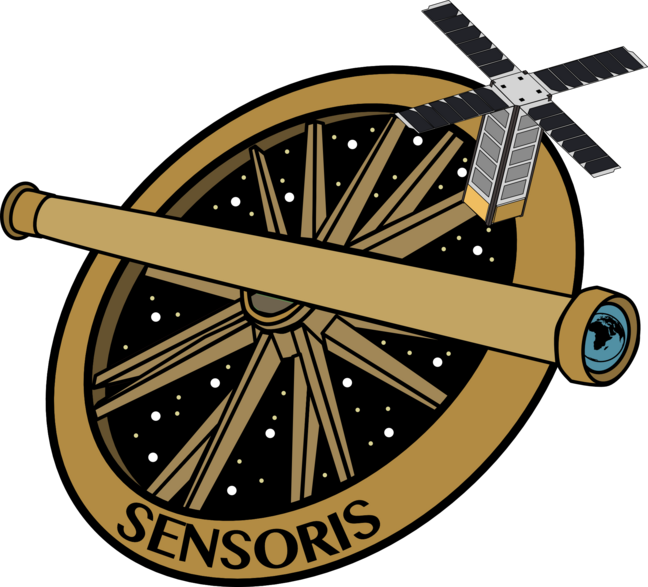
SENSORIS – derived from the Latin word Mensoris ('the surveyors') – is a satellite constellation comprising 3U CubeSats, which is being developed by the Institute of Aerospace Technology of the City University of Applied Sciences Bremen (IAT) and the Centre for Applied Space Technology and Microgravity at the University of Bremen (ZARM) in collaboration with the DLR Institute for Satellite Geodesy and Inertial Sensing (DLR-SI). The aim of the mission is to provide out daily solutions of the Earth’s gravity field using a NewSpace approach to enable faster, cheaper and more flexible data acquisition for research, security and resource management. In its first deployment phase, the SENSORIS constellation comprises eight satellites equipped with GNSS receivers. The data obtained is intended to complement existing geodesy missions such as GRACE-FO or GRACE-C, thereby addressing the problem of incomplete background modelling.
Bremen is the heart of European spaceflight: nowhere else is the industry as compact and interconnected as it is here. Over 12,000 employees in 140 institutions work on a wide variety of space projects in the city of Bremen. Almost the entire Bremen space industry can be reached within minutes by taking tram line 6, making the city appear like one large space campus: Bremen, the Space Campus City!
With its central location at Bremen Airport, the Institute of Aerospace Technology is an important part of this unique ecosystem. The short distances are a decisive advantage for students, researchers and industry: through networking and cooperation, talents and technologies for the future of spaceflight can be developed together.
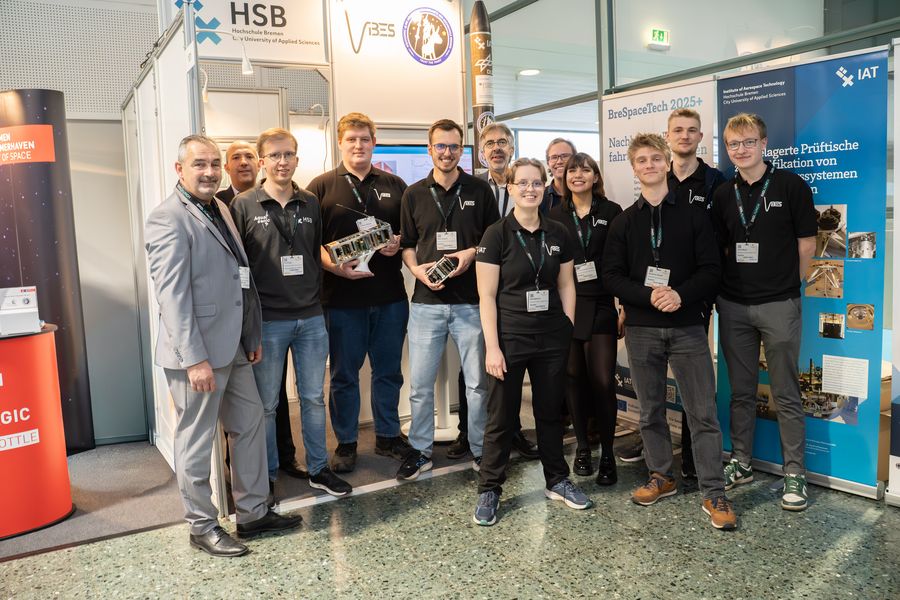
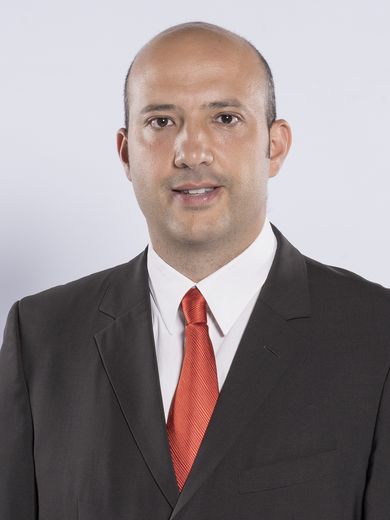
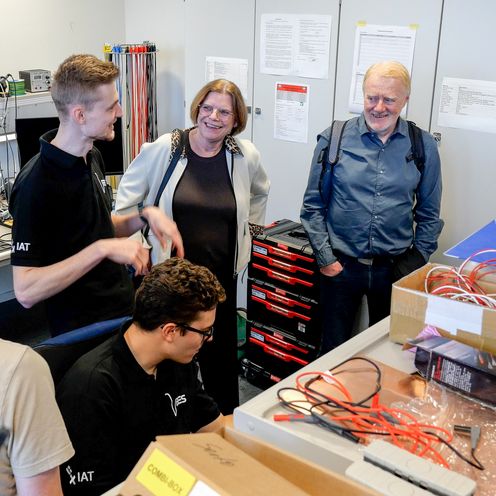
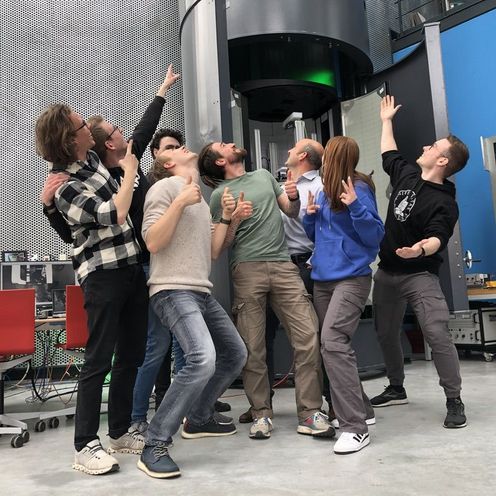
The VIBES team consists of more than 40 dedicated students from a wide range of degree programmes at HSB. They are developing the missions as part of their regular study programme, for their final thesis or out of enthusiasm. They are supported by experienced IAT staff led by Prof. Dr. Antonio Garcia.
For the students, working at VIBES is much more than just a learning project: it offers unique practical experience, the joy of collaborative development and the unique opportunity to realise their own ideas and launch them into space. In addition, they gain exciting insights into the industrial and research landscape, for example through excursions and test campaigns at partner companies and other scientific institutes.